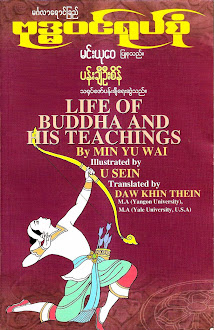
မဂၤလာေရာင္ျခည္-ဗုဒၶ၀င္႐ုပ္စံု [အခန္းစဥ္ ၁၈၊ ၁၉၊ ၂၀၊ ၂၁]

Tuesday, March 24, 2009


၁၈။ ပဥၥ၀ဂၢီ ငါးဦး
ဘုရားေလာင္းသည္ ဥ႐ုေ၀လေတာသို႔ ေရာက္ေသာအခါ ထိုေတာမွာပင္ေန၍ ဒုကၠရစရိယာအက်င့္ကို က်င့္သည္။
မၾကာမီ ပရိဗိုဇ္ရဟန္းငါးပါး ေရာက္လာၾကသည္။ သူတို႔မွာ ႐ွင္ေကာ႑ည၊ ႐ွင္၀ပၸ၊ ႐ွင္ဘဒၵိယ၊ ႐ွင္မဟာနာမ္၊ ႐ွင္အႆဇိတို႔ ျဖစ္ၾကသည္။ (႐ွင္ေကာ႑ညမွာ ဘုရားေလာင္း ဖြားျမင္စက လကၡဏာဖတ္ၾကေသာ ပုဏၰား႐ွစ္ေယာက္အနက္ 'မုခ်ဘုရားျဖစ္လိမ့္မည္' ဟုေဟာခဲ့ေသာ ပုဏၰားငယ္ျဖစ္သည္။ ပရိဗိုဇ္ေလးဦးမွာ က်န္လကၡဏာဖတ္ ပုဏၰားမ်ား၏ သားမ်ား ျဖစ္ၾကသည္။)
သူတို႔သည္ ဘုရားေလာင္းေတာထြက္ေၾကာင္း ၾကားသျဖင့္ လိုက္လာျခင္းျဖစ္သည္။ ထို႔ေနာက္ ၀တ္ႀကီး၀တ္ငယ္ ျပဳစုေနၾကသည္။


18. Groups of five (hermits).
Bodhisat arrived at Uruvela forest and residing there practised arduous practices. Not long after, five hermits viz; Reverend Kondannya, Vappa, Bhaddiya, Mahanama and Assaji came to the Bodhisat. (Rev. Kondannya was the young brahmin out of the eight brahmins who foretold the future of Bodhisat, and he was the one who foretold the future of Bodhisat to become Buddha certainly. The remaining four hermits were the sons of other future telling brahmins.)
Hearing the retirement of Bodhisat they came after him and stayed administering filial duties of the Bodhisat.


၁၉။ ဒုကၠရစရိယာအက်င့္
ဘုရားေလာင္းသည္ အစာအဟာရကို တစတစျဖတ္ကာ ျပင္းထန္စြာ တရားက်င့္ သည္။ ထိုအခါ စိုေျပ၀င္း၀ါေသာ အဆင္းေတာ္သည္ ညိဳမည္းေျခာက္ေသြ႔လာသည္။ အ႐ိုးႏွင့္အေရသာ က်န္ေတာ့သည္။
တေန႔တြင္ အားျပတ္ကာ မိန္းေမာ၍ လဲက်သြား႐ွာသည္။
ျပန္လည္သတိရေသာ္ ေနရာမွထကာ မိမိအျဖစ္ကို ဆင္ျခင္သံုးသပ္ၾကည့္သည္။
"ေျခာက္ႏွစ္ၾကာမွ် က်င့္ခဲ့ေသာ ဒုကၠရစရိယာအက်င့္ျဖင့္ တရားထူး ရႏိုင္မည္မဟုတ္"


19. Arduous practice (dukkara cariya).
Bodhisat diminished partaking of the food bit by bit and practised vigorously. Thereupon golden complexion of Bodhisat became dried and dark. Only bones and skin remained.
One day He became very weak and fell down in a swoon. After regaining consciousness He got up and pondered over His condition "Practising the arduous practice for six years is not capable to obtain the noble truth (dhamma)."


၂၀။ မဇၩိမပဋိပဒါလမ္းျဖင့္
ဘုရားေလာင္းသည္ အေလ်ာ့အတင္းမ႐ွိ တရားအားထုတ္ႏိုင္ရန္ ဆြမ္းအဟာရမ်ားကို ျပန္မွီ၀ဲသည္။ ထိုအခါ ပဥၥ၀ဂၢီငါးဦးတို႔သည္-
"သိဒၶတၳကား တရားအားထုတ္မႈ ေလ်ာ့ပါးသြားေခ်ၿပီ" ဟု ဆိုၾကသည္။ ဘုရားေလာင္း ကို စြန္႔ခြါ၍ မိဂဒါ၀ုန္ေတာသို႔ ေျပာင္းသြားၾကသည္။
ဘုရားေလာင္းသည္ ကိုယ္ခႏၶာေတာင့္တင္းလာေသာအခါ 'မဇၩိမပဋိပဒါ' ဟူေသာ အလယ္အလတ္လမ္းျဖင့္ သမာဓိႏွင့္ ၀ိရိယကို မွ်တေအာင္ျပဳ၍ တရားအားထုတ္သည္။


20. Middle Path
To enable to practise moderately Bodhisat began to partake the meals again. Then Group of five hermits saying "Siddhattha has lessened the practices" forsook him and went to Migadaya forest. Bodhist becoming stout and healthy practised by means of the middle way keeping energy and concentration (of the mind) evenly.


၂၁။ သုဇာတာ ဃနာႏို႔ဆြမ္း
ထို႔ေနာက္ ကဆုန္လျပည့္ေန႔ နံနက္ေစာေစာတြင္ ေညာင္ပင္ေအာက္၌ ထိုင္ေနေတာ္ မူသည္။ ထိုစဥ္ သူေဌးသမီး သုဇာတာက မိမိကို သားဆုေပးေသာ ေက်းဇူး႐ွင္နတ္မင္းဟု မွတ္ထင္လ်က္ ေ႐ႊခြက္ျဖင့္ ထည့္ထားေသာ ႏို႔ဃနာဆြမ္းကို ကပ္လွဴသည္။
ဘုရားေလာင္းသည္ ထိုဆြမ္းကို ေနရဥၥရာျမစ္ကမ္း၌ ဘုဥ္းေပးေတာ္ မူသည္။ ထို႔ေနာက္- "ငါသည္ ယေန႔ ဘုရားျဖစ္မည္မွန္ပါက ဤေရႊခြက္သည္ ေရညာသို႔ ဆန္ပါေစသား" ဟုဆိုကာ ေမွ်ာလိုက္သည္။ ေ႐ႊခြက္သည္ ေရညာသို႔ ဆန္တက္သြားေလသည္။


21. Milk broth of Sujata.
On the full moon day of the month Kason, early in the morning Bodhisat sat under the banyan tree. Therein, the rich man's daughter Sujata thinking the Bodhisat to be the benefactor god who bestowed her with a son, offered milk broth to Him.
Bodhisat partook that meal' on the bank of river Neranjara. Then saying, "If it is true that I will become the Enlightened One this very day, may this golden bowl go against the stream." He sat it adrift in the stream. The golden bowl against the stream (up stream).

အျပည့္အစံုသို႕>>>

မဂၤလာေရာင္ျခည္-ဗုဒၶ၀င္႐ုပ္စံု [အခန္းစဥ္ ၁၄၊ ၁၅၊ ၁၆၊ ၁၇]

Monday, March 23, 2009

၁၄။ ေတာထြက္ခန္း
ထို႔ေနာက္ သိဒၶတၳမင္းသည္ တညလံုး ခရီးျပင္းႏွင္လာခဲ့သည္။ ေနာက္ဆံုးတြင္ အေနာ္မာျမစ္၏ တဖက္ကမ္းသို႔ ေရာက္လာသည္။
ထိုေနရာတြင္ ဆံေတာ္ကိုပယ္၍ ရဟန္းအျဖစ္ ခံယူသည္။

"အေမာင္ဆႏၵ၊ ျပန္ေလာ့။ ခမည္းေတာ္၊ မယ္ေတာ္ႏွင့္ ယေသာ္ဓရာတို႔ကို အက်ိဳးအေၾကာင္း သံေတာ္ဦးတင္ေလာ့" ဟုဆိုကာ ဆႏၵအမတ္ႏွင့္ ျမင္းေတာ္ကို ျပန္လႊတ္ သည္။

14. Renunciation.
Then Prince Siddhattha traveled rigorously without rest throughout the night and last reached the bank of River Anoma.
At that place (bank of the river Anoma) He cut off his hair and transformed himself into a monk.
Telling Channa, "Friends Channa! go back and tell my father, mother and wife Yasodhara all these facts," let Channa return to the city together with the horse.


၁၅။ ရဟန္းဘ၀
ရဟန္းဘ၀သို႔ ေရာက္လာၿပီျဖစ္ေသာ ဘုရားေလာင္းသည္ အႏုပီယသရက္ေတာ၌ ခုနစရက္ ေနေတာ္မူသည္။
႐ွစ္ရက္ေျမာက္ေသာေန႔တြင္ ထိုအရပ္မွ ထြက္ခြါလာရာ ရာဇၿဂိဳဟ္သို႔ ေရာက္လာ သည္။ ၿမိဳ႔တြင္းသို႔ ၀င္ကာ အိမ္စဥ္တေလွ်ာက္ လွည့္၍ ဆြမ္းခံသည္။ ထူးျခားေသာ ႐ုပ္သြင္ေၾကာင့္ တၿမိဳ႔လံုး အုတ္အုတ္က်က္က်က္ ျဖစ္ၾကသည္။ အမ်ိဳးမ်ိဳး ထင္ျမင္ ေျပာဆိုၾကသည္။
ရာဇၿဂိဳဟ္ျပည့္႐ွင္ ဗိမိၺသာရမင္းႀကီးလည္း နန္းေတာ္ေပၚမွ လွမ္းေမွ်ာ္ၾကည့္႐ႈၿပီးလွ်င္ မင္းခ်င္းတို႔ကို လိုက္လံစံုစမ္းေစသည္။
"အခ်င္းတို႔ လိုက္လံၾကည့္ၾက။ ၿမိဳ႔ျပင္သို႔ ေရာက္ပါက နတ္ျဖစ္လ်င္ ေကာင္းကင္သို႔ ပ်ံတက္လိမ့္မည္။ နဂါးျဖစ္လ်င္ ေျမထဲသို႔ ငုတ္လွ်ိဳးသြားလိမ့္မည္။ လူျဖစ္လွ်င္ ရသမွ်ဆြမ္းကို သံုးေဆာင္လိမ့္မည္။"

15. Monkhood.
The Bodhisat making himself into a monk, resided at the Anupiya mango forest for seven days.
On the eight day He departed from thet place and going forth reached Rajagaha city. Entering the city He went round the city accepting offerings of food from the houses in traditional order. Because of his extraordinary looks and personality the whole city was in an auproarous state and the citizens talked about him with various opinions.
King Bimbisara, king of Rajagaha looking out from the palace let his attendents enquire about him. "Oh attendants! follow him and look what he dose; if he is a celestial being will ascend to the sky; if he is a dragon he will immerge into the earth, and if he is a human being He will partake of the food received."


၁၆။ ဘုရားေလာင္းႏွင့္ ဗိမၺိသာရမင္း
ဘုရားေလာင္းသည္ ဆြမ္းခံၿပီးေသာ္ ၿမိဳ႔ျပင္သို႔ထြက္၍ ပ႑၀ေတာင္ရိပ္တြင္ ထိုင္လွ်က္ ဆြမ္းစားရန္ ျပင္ဆင္သည္။ သပိတ္ထဲ၌ အိမ္ေပါင္းစံုမွ ေလာင္းလွဴလိုက္ေသာ ဆြမ္းႏွင့္ ဟင္းမ်ိဳးစံုေရာလွ်က္ ႐ြံဖြယ္ျဖစ္ေနသည္။ ဘုရားေလာင္းအဖို႔ သည္အစာမ်ိဳးကို စားဖူးရန္ မဆိုထားႏွင့္ ျမင္မွ်မျမင္စဖူး။ ထို႔ေၾကာင့္ စားမည္ျပင္လိုက္ေသာအခါ ပ်ိဳ႔အံလုမတတ္ ႐ွိသည္။ ထို႔ေနာက္မွ မိမိကိုယ္ကို ဆံုးမသည္။
"အခ်င္းသိဒၶတၳ၊ သစၥရာတရားကို ႐ွာေဖြရန္ သင္ ေတာထြက္၍ ရဟန္းျပဳသည္ မဟုတ္ေလာ၊ ရဟန္းျဖစ္က သည္ဆြမ္းမ်ိဳးကို သံုးေဆာင္ရမည္။ ယခု ဘာေၾကာင့္ ႐ြံ႔႐ွာေနရသနည္း" ဟုဆိုကာ ဘုဥ္းေပးေတာ္မူသည္။
မင္းခ်င္းတို႔သည္ ေတြ႔ျမင္ရပံု အလံုးစံုကို ဗိမိၺသာရမင္းႀကီးအား ျပန္လည္ သံေတာ္ဦး တင္ၾကသည္။ မင္းႀကီးသည္ ဘုရားေလာင္းထံသြား၍ စံုစမ္းေမးျမန္းသည္။ အျဖစ္မွန္ကို သိေသာအခါ အလြန္ၾကည္ညိဳလွသျဖင့္ သူ၏ ထီးနန္းစည္းစိမ္ကို အပ္ႏွင္းသည္။ ဘုရားေလာင္းက ျငင္းပယ္ေသာအခါ မင္းႀကီးက-
"အ႐ွင္ျမတ္သည္ ဘုရားျဖစ္ေတာ္မူပါလိမ့္မည္။ ဘုရားအျဖစ္သို႔ ေရာက္ေသာအခါ အကၽြန္ပ္၏ တိုင္းျပည္သို႔ ေ႐ွးဦးစြာ ႂကြေတာ္မူပါ" ဟု ပန္ၾကားသည္။ ဘုရားေလာင္းကလည္း-
"ေကာင္းပါၿပီ အသင္မင္းႀကီး" ဟု ၀န္ခံစကား ဆိုလိုက္သည္။

16. Bodhisat and King Bimbisara.
After receiving alms Bodhisat went put of the city, sat in the shade of Pandava mountain and prepare to partake the meal. Rice and various curries offered by numerous households, got mixed up in the alms bowl and appeared loathsome. As for the Bodhisat, He had never perceived such kind of food, let alone eat it. He felt nauseated once He got ready to eat the food. Then He admonished himself thus.
"Siddhattha! Heaven't you become a recluse and retired to the wilderness to seek for the noble truth? As a monk you have to partake such sort of food. Now why do you feel detested and nauseated?" Then He ate the meal.
Royal attendants informed all the events to King Bimbisara.The King went to the Bodhisat and enquired about him. When he knew the truth, the king revered the Bodhisat and offered his kingdom. Bodhisat refused the offer. The king requested thus, "Your reverence will become the Enlightened Buddha; when you become thus, come to my country first of all."
Bodhisat gave His promise saying, "very well your majesty!"


၁၇။ အာဠာရႏွင့္ ဥဒကထံသို႔
ဘုရားေလာင္းသည္ ရာဇၿဂိဳဟ္ျပည္မွ ထြက္ခါြလာခဲ့သည္။ အာဠာရ ရေသ့ထံသြား၍ တရားက်င့္သည္။ အာဠာရသည္ တပည့္ ပရိဗိုဇ္မ်ားစြာကို တရားျပေနေသာ ဂိုဏ္းဆရာႀကီး ျဖစ္သည္။ (ပရိဗိုဇ္ဆိုသည္မွာ သာသနာမွ အပျဖစ္ေသာ ရဟန္းျဖစ္သည္။)
ဘုရားေလာင္းသည္ ႀကိဳးစားအားထုတ္ရာ ရက္အနည္းငယ္အတြင္းမွာပင္ အာဠာရသိ ေသာ တရားကို သိျမင္သည္။ သို႔ရာတြင္ မေက်နပ္။
"သည္တရားမွ်ျဖင့္ အို၊ နာ၊ ေသေဘးမွ မလြတ္ေျမာက္ႏိုင္ေသး" ဟုဆိုကာ အာဠာရထံမွ ထြက္ခြါလာခဲ့သည္။
ထို႔ေနာက္ ဥဒက ရေသ့ထံသြား၍ တရားက်င့္ျပန္သည္။ အားရေက်နပ္ျခင္း မ႐ွိျပန္။
"ဥဒက ရ႐ွိေသာ တရားသည္လည္း သစၥာတရား မဟုတ္ေသး" ဟုဆိုကာ ထြက္ခြါခဲ့ျပန္သည္။


17. To Alara and Udaka.
Bodhisat departing Rajagaha went to the hermit Alara and under him practised penances. Alara was the head of the sect and was teaching many itinerant heretics. (Paribbajaka was a recluse outside of the Buddhist era.)
Bodhisat exerted vigorously and in a few days gained the knowledge attained by Alara. But He was not satisfied.
Thinking " Such doctrine cannot lead to freedom from old age, sickness and death." He departed from Alara.
Then He went to Udaka and practised the Yoga (penances.) There also He did not feel satisfied and saying "The knowledge (doctrine) gained by Udaka also is not the nobel truth", departed again.

အျပည့္အစံုသို႕>>>

ဗုဒၶစကား- ဗုဒၶသာသနာ။ ေရးသူ- ပါရဂူ

Monday, March 2, 2009

၁။ မေကာင္းမႈဟူသမွ်ကို မျပဳလုပ္ျခင္း၊ ကုသိုလ္ေကာင္းမႈကို ပြါးစည္းျခင္း၊ မိမိစိတ္ကို ျဖဴစင္စြာထားျခင္း- ဤကား ဗုဒၶျမတ္စြာတို႔၏ အဆံုးအမ သာသနာ ျဖစ္သည္။
၂။ ဗုဒၶျမတ္စြာတို႔၏ အဆံုးအမသာသနာကား-
၁။ ကဲ့ရဲ့မႈကို မျပဳျခင္း၊
၂။ ညႇဥ္းဆဲမႈကို မျပဳျခင္း၊
၃။ အက်င့္သီလကို ေစာင့္ထိန္းလိုက္နာျခင္း၊
၄။ အစာအဟာရကို မွ်တစြာ သံုးေဆာင္မွီ၀ဲျခင္း၊
၅။ ဆိတ္ၿငိမ္ရာ၌ ေနထိုင္ျခင္း၊
၆။ စိတ္ႏွလံုးကို တရားအားထုတ္မႈ၌ ေမြ႔ေလ်ာ္ေအာင္ ျပဳလုပ္ျခင္းမ်ား ျဖစ္ၾက သည္။

ပါရဂူ
{'ပါရဂူ ရဲ့ ဗုဒၶစကား' ဒုတိယႏွိပ္ျခင္း၊ ၁၉၆၅၊ ေအာက္တိဘာ၊ မွ ကူးယူေဖာ္ျပပါတယ္။ }

အျပည့္အစံုသို႕>>>

မဂၤလာေရာင္ျခည္-ဗုဒၶ၀င္႐ုပ္စံု [အခန္းစဥ္ ၁၀၊ ၁၁၊ ၁၂၊ ၁၃၊ ၁၄]

Tuesday, February 17, 2009


၁၀။ သူအို၊ သူနာ
သိဒၶတၳမင္းသည္ သက္ေတာ္ ၂၈-ႏွစ္သို႔ ေရာက္ေသာအခါ တေန႔တြင္ ဥယ်ာဥ္သို႔ ေတာကစားထြက္သည္။ နတ္တို႔က ဖန္ဆင္းျပသျဖင့္ လမ္းခုလတ္ တေနရာတြင္ သူအိုကို ေတြ႔သည္။
"ေလာက၌ ေမြးဖြားလာသူမွန္သမွ် အိုမင္းရမည္သာတကား" ဟူ၍ သံေ၀ဂရကာ နန္းေတာ္သို႔ လွည့္ျပန္သည္။
ေလးလၾကာေသာအခါ ဒုတိယအႀကိမ္ ဥယ်ာဥ္သို႔ ထြက္ျပန္သည္။ လမ္းတြင္ သူနာတေယာက္ကို ေတြ႔သည္။
"နာျခင္းသေဘာကို မည္သူမွ် မလြန္ဆန္ႏိုင္ပါတကား" ဟု သံေ၀ဂရျပန္သည္။ နန္းေတာ္သို႔ ျပန္ခဲ့ျပန္သည္။

10. The aged and the sick.
Prince Siddhattha reached the age of twenty eight and one day he went to the royal garden for sports. On his way to the garden and at a certain place he saw an aged man who was created and shown by the gods.
"In this world who ever was born is susceptible to old age," thus becoming agitated he returned to the palace.
After four months, for the second time He went to the royal garden and on the way saw a sick person.
"No one can go against sickness," thus He again became agitated and returned to the place.

၁၁။ သူေသ၊ ရဟန္း
ေနာက္ေလးလၾကာေသာအခါ သိဒၶတၳမင္းသည္ တတိယအႀကိမ္ ဥယ်ာဥ္သို႔ ထြက္ျပန္ သည္။ လမ္းတြင္ သူေသကို ေတြ႔သည္။
"အိုျခင္း၊ နာျခင္း၊ ေသျခင္းသေဘာကို မည္သူမွ် မလြန္ဆန္ႏိုင္ပါတကား၊ သည္ေလာကတြင္ အို၊ နာ၊ ေသေဘးမွ လြတ္ေျမာက္ရာ နည္းလမ္း မ႐ွိေတာ့ၿပီေလာ။ သည္ေဘးတို႔မွ ငါလြတ္ေျမာက္ခ်င္စမ္းပါဘိ" ဟုဆိုကာ နန္းေတာ္သို႔ ျပန္ခဲ့ျပန္သည္။
ေနာက္ေလးလၾကာေသာအခါ စတုတၳအႀကိမ္ ဥယ်ာဥ္သို႔ ထြက္ျပန္သည္။ သည္အခ်ိန္၌ကား၊ ရဟန္းတပါးကို ေတြ႔ျမင္သည္။
"ရဟန္းအျဖစ္သည္ ေကာင္းျမတ္ေပစြ" ဟူ၍ က်ဴးရင့္မိသည္။

11. The dead and the monk.
After the elapse of four months, Prince Siddhattha went again to the garden for the third time. On the way he encountered a dead person.
Felling much depressed and agitated He said. "No body can overcome the nature of oldness, sickness and dead. Is not there any means of escape from old age, sickness and death? I want to be free from this dangers," and returned to the palace.
After four months He again went the garden and on the way beheld a monk. Uttering praise of the monk thus, "Monkhood is noble." He went to the garden.


၁၂။ ရာဟုလာ
သိဒၶတၳမင္းသည္ ၾကည္လင္႐ႊင္လန္း ႏွစ္သက္သျဖင့္ ဥယ်ာဥ္သို႔ ဆက္သြားသည္။
"ထီးနန္းကို စြန္႔၍ ငါ ေတာထြက္မည္။ အို၊ နာ၊ ေသေဘးတို႔ ၿငိမ္းေအးရာ တရားကို ငါေတြ႔ေအာင္ ႐ွာမည္" ဟု ဥယ်ာဥ္၀ယ္ တေန႔လံုး ၾကံစည္စိတ္ကူးကာ စံပယ္ေနခဲ့သည္။
ညေနခ်မ္းအခ်ိန္သို႔႔ ေရာက္ေသာအခါတြင္မွ နန္းေတာ္သို႔ ျပန္ရန္ ရထားထက္သို႔ တက္သည္။ ထိုစဥ္ မင္းခ်င္းတေယာက္ ေရာက္လာ၍-
"အ႐ွင့္သား၊ ယေသာ္ဓရာမိဖုရားတြင္ သားေတာ္ကေလး ဖြားျမင္ပါသည္" ဟူ၍ ေလွ်ာက္ထားေလသည္။
သည္တြင္ မိမိအၾကံကို သားေတာ္ကေလး ေႏွာင့္ယွက္ေတာ့မည္ ဟူေသာ အဓိပၸါယ္ျဖင့္ ႐ုတ္တရက္ ဆိုလိုက္သည္။
"ရာဟုဖမ္းၿပီ။ အေႏွာင္အဖြဲ႔ ျဖစ္ၿပီ"
ထိုစကားကိုယူ၍ သားေတာ္ကေလးကို 'ရာဟုလာ' ဟု အမည္ေပးေလသည္။

12. Rahula.
King Siddhattha feeling pleased and joyful proceeded to the garden.
Contemplating for the whole day thus, "After relinguishing the sovereignty I shall retire (to the forest) and shall seek for the tranquil doctrine (dhamma) which is free from old age, sickness and death," He stayed in the garden.
In the evening as the King mounted the royal carriage to return to the palace, a person of the King's Service arrived and told the King, "Your majesty! Queen Yasodhara has given birth to a son."
On hearing the news, thinking "This little son will hinder my intention" He uttered immediately thus, "Rahu has seized ; bondage is produced."
With regard to this utlerance, the young son was named "Rahula."


၁၃။ တေရးႏိုးေသာ္
ထိုေန႔ညတြင္ အခါတိုင္းကဲ့သို႔ပင္ နန္းတြင္းသူမ်ားက အတီး၊ အမႈတ္၊ အဆို၊ အကတို႔ျဖင့္ သိဒၶတၳမင္းကို ေဖ်ာ္ေျဖၾကသည္။
သိဒၶတၳမင္းသည္ ေ႐ွးကကဲ့သို႔ ေပ်ာ္႐ႊင္ႏွစ္သိမ့္ျခင္း မ႐ွိဘဲ၊ မၾကာမီ စက္ေပ်ာ္ သြားသည္။ နန္းတြင္းသူမ်ားလည္း တီးမႈတ္ကခုန္ျခင္းကို ရပ္ကာ ထိုေနရာမွာပင္ အိပ္စက္ၾကသည္။
သိဒတၳမင္းသည္ သန္းေခါင္ခ်ိန္ေလာက္တြင္ တေရးႏိုးသျဖင့္ အိပ္ရာမွ ထၾကည့္သည္။ နန္းတြင္သူမ်ား ဖ႐ိုဖရဲ အိပ္ေနၾကပံုကို စိတ္ပ်က္ဖြယ္ ေတြ႔ျမင္ရသည္။ နန္းေတာ္ႀကီးတခုလံုးကို သုသန္ တစျပင္ပမာ ထင္မွတ္လာသည္။
'ယခုညပင္ ေတာထြက္ေတာ့မည္' ဟု ဆံုးျဖတ္လိုက္သည္။ ဆႏၵအမတ္ကို သြား၍ႏိႈးကာ-
"အေမာင္ဆႏၵ၊ သည္ညပင္ ငါ ေတာထြက္ေတာ့မည္။ ငါ့အတြက္ က႑ကျမင္းေတာ္ကို ျပင္ေခ်" ဟု မိန္႔ေတာ္မူသည္။
ဆႏၵအမတ္ ျမင္းျပင္ေနစဥ္ သိဒၶတၳသည္ သားေတာ္ရာဟုလာကို ႐ႈျမင္လိုစိတ္ ျဖစ္ေပၚလာသည္။ ယေသာ္ဓရာ၏ တိုက္ခန္းေဆာင္တံခါ၀သို႔ ႂကြလွမ္း၍ ၾကည့္႐ႈ၏။

13. Wake up from sleep at midnight.
That night the royal dancers entertained Prince Sidhattha as before with songs, music and dances.
Prince Siddhattha not enjoying the entertainments as before, went to sleep in the moment. Female attendants also stopped their music and dances and slept there and then.
Prince Siddhattha woke up in the middle of the night and getting up looked around. He saw the court attendants sleeping in disarray and felt disgusted. The entire palace appeared to be cemetery.
He made up his mind to retire that very night. A wakening the minister Channa, He gave orders thus, "Channa! I shall renounce the world this very night; so saddle the horse Kandaka for me."
While Channa was making the horse ready, Prince Siddhattha desired to look at his son. So He went towards the door of Yasodhara's chamber and looked at his son.

အျပည့္အစံုသို႕>>>

"ဘုန္းဘုန္း တာ့တာ"။ ေရးသူ- ေဒၚအမာ

Thursday, January 29, 2009


ဒီေခါင္းစဥ္ကို ဖတ္လိုက္ေတာ့ ဆရာေတာ္၊ သံဃာေတာ္မ်ားက ေဒၚအမာလည္း ခင္ပြန္းအနိစၥေရာက္တာနဲ႔ စိတ္မ်ား ကေတာက္ကတက္ ျဖစ္ေန႐ွာထင္ပါရဲ႔လို႔ ကၽြန္မကို သနားေနၾကမလား မသိပါ။
"ဘုန္းဘုန္း တာ့-တာ" ဆိုတဲ့အသံမ်ိဳး မၾကာမၾကာ ၾကားရလြန္းလို႔ နားကေလာတာနဲ႔ ဒီေခါင္းကို တပ္လိုက္မိတာပါ။ ကၽြန္မတို႔ဆီမွာ ကေလးငယ္ေတြကို လူႀကီးမိဘေတြက ဘယ္သူျပန္ခါနီးမွာပဲ ျဖစ္ျဖစ္ "တာ့-တာ" လို႔ ႏႈတ္ဆက္လိုက္ဆိုၿပီး လက္ျပခိုင္းေနၾကပါတယ္။
ၿမိဳ႔ေပၚတင္လားဆိုေတာ့လည္း မဟုတ္ေသးဘူး။ ဒီ တာ့-တာက ေတာႀကိဳအံုၾကားအထိ ပ်ံ႔ႏွ႔ံဆင္းသက္လို႔ ေနပါတယ္။
ဒါကို ေထာက္ျခင္းအားျဖင့္ ကၽြန္မတို႔မွာ ျပန္ခါနီးႏႈတ္ဆက္စကား တခု မ႐ွိမျဖစ္၊ အပူတျပင္း လိုအပ္ေနတဲ့ပံုပါပဲ။ လိုသမွ မဟားဒယားမို႔ ကိုယ့္မွာလည္း မ႐ွိေလေတာ့ သူမ်ားဟာကို အတင္းဆြဲယူသံုးထားရတဲ့ သေဘာမ်ိဳး ျဖစ္ေနပါၿပီ။
"တာ့-တာ" ဆိုတာ ဘယ္လူမ်ိဳးက သံုးစြဲတဲ့ စကား၊ ဘာအဓိပၸါယ္႐ွိတယ္ဆိုတာကို ဇစ္ဇစ္ျမစ္ျမစ္ သိၾကတာလဲ မဟုတ္ပါဘူး။ ႏို႔ေပမယ့္ လက္ကေလးလႈပ္ျပၿပီး ေတြ႔ကရာလူကို "တာ့-တာ" ေနၾကပါတယ္။ တခ်ိဳ႔ကမ်ား ကဲသထက္ကဲၿပီး "ဘိုင့္ဘိုင္- တာ့တာ-ခ်ဲရီးယို" အထိ လုပ္ေနၾကေလရဲ႔။
ကၽြန္မတို႔ ငယ္ငယ္တုန္းကေတာ့ အိမ္တအိမ္က ျပန္ေတာ့မယ္ဆိုရင္ အေမကသင္တာ လူႀကီးေတြကို "ဦးတင္ပါေသးရဲ႔" လို႔ ေျပာၿပီး ႏႈတ္ဆက္ခဲ့ရမယ္တဲ့။ နည္းနည္းႀကီးလာေတာ့ "ကၽြန္မကို ခြင့္ျပဳပါဦး" လို႔ ႏႈတ္ဆက္ခဲ့ရတယ္။ ေနာက္ေတာ္ေတာ္ႀကီးလာျပန္ေတာ့ "ျပန္ပါဦးမယ္ေနာ္" လို႔ ေျပာရတယ္။ ဒါ ျမန္မာ့ ႏႈတ္ဆက္နည္း ျဖစ္မွာပါပဲ။ ခုေခတ္လို လက္ကေလးျပၿပီး "တာ့-တာ" လို႔ ဆိုမိရင္ အေမက လက္မ်ား ပုတ္ခ်မလား မသိဘူး။ ၿပီးေတာ့ "ဘာလဲ ညည္းတို႔စကားက တာတယ္ဆိုတာ ေကာင္းမွတ္လို႔ လူထဲသံုးေနရတာလား" လို႔ ေငါက္မွာ အမွန္ပါပဲ။
ျမန္မာစကားက လူေပၚစ အဆင့္မ်ိဳး မဟုတ္ပါဘူး။ ႂကြယ္၀ပါတယ္။ ေ၀ါဟာရ မဆင္းရဲပါဘူး။ လူၾကည့္ၿပီး အသက္နဲ႔အလိုက္ ဂုဏ္သိကၡာနဲ႔အလိုက္ သံုးႏႈန္းေျပာဆိုရတဲ့ စကားမ်ိဳးပါ။ ဒီလိုယဥ္ေက်းမႈဟာ လူမ်ိဳးတိုင္းမွာေတာင္ မ႐ွိပါဘူး။ လူ႔ယဥ္ေက်းမႈ သမနိ ႐ွည္လွတယ္ဆိုတဲ့ တ႐ုတ္တို႔လို လူမ်ိဳး အခ်ိဳ႕ မွာသာ ႐ွိတာပါ။
အေဖလုပ္တဲ့ လူအေပၚကို ကိုယ္ဘယ္ေလာက္ႀကီး မေက်လည္ေပမယ့္ "မင္းကလဲကြာ" လို႔ ျမန္မာစကားက ေျပာလို႔ မရပါဘူး။ "ခင္ဗ်ားႀကီးကလဲဗ်ာ" လို႔ ေျပာမိရင္ေတာင္ "အေဖကို ခင္ဗ်ားလံုးႀကီး ႐ိုက္ေျပာတာ ႐ိုင္းလိုက္တာ" လို႔ ဆိုပါေသးတယ္။ "ယူကလဲ ဂြက်လိုက္တာ" လို႔ ေျပာခ်င္လို႔လဲ မျဖစ္ပါဘူး။ "အေဖကလဲ အေဖရာ" ဆိုတာမ်ိဳးကို အလြန္ဆံုးေျပာရတာပါ။ ျမန္မာမွာ ကိုယ္က ေျပာခ်င္တဲ့လူနဲ႔ တန္ရာေ၀ါဟာရကို ေ႐ြးၿပီး သံုးစြဲရပါတယ္။ ဒါဟာ ျမန္မာ့ယဥ္ေက်းမႈပဲ။
ခုေတာ့ ရည္းစားလည္း "တာ့-တာ"၊ သူငယ္ခ်င္းလည္း "တာ့-တာ"၊ ဘုန္းႀကီးရဟန္း လည္း "တာ့-တာ" တဲ့။ ဘယ္လိုမ်ား ျဖစ္ေနၾကတယ္ မသိပါဘူး။
ကၽြန္မတို႔ မိုးကုတ္သြားလည္ၾကေတာ့ မိတ္ေဆြေတြကို ျပန္ပါ့မယ္လို႔ ႏႈတ္ဆက္တဲ့အခါ အိမ္တိုင္းက ျပန္ႏႈတ္ဆက္တဲ့စကားက "ျဖည္းျဖည္း ျပန္ပါ႐ွင္" တဲ့။ ဒါဟာ ျပန္ခါနီး လူကို မိုးကုတ္က ႏႈတ္ဆက္တဲ့ စကားပါ။ မိုးကုတ္မွာ လမ္းေတြက ေျမျပင္လမ္း မဟုတ္ဘူး။ အတက္အဆင္း၊ အေကြ႔အေကာက္ေတြ၊ ကားနဲ႔ ခရီးသြားရတာ။ ကားအျမန္ေမာင္းရင္ အသက္အႏၱရာယ္နဲ႔ ေတြ႔ရတာ၊ ေတြ႔ေပါင္းလည္း မေရမတြက္ႏိုင္ဘူး။ ဒါေၾကာင့္ သူတို႔ဆီမွာ ခြဲခါနီး ႏႈတ္ဆက္တဲ့ လူတိုင္းကို "ျဖည္းျဖည္းပဲျပန္ပါ" လို႔ ႏႈတ္ဆက္မွာ မွာတာထင္ပါရဲ႔။ ေမတၱာ ေစတနာ က႐ုဏာအျပည့္နဲ႔ ႏႈတ္ဆက္လိုက္တဲ့ စကားမို႔ ၾကားရသူရဲ႔ နားထဲမွာ ခ်မ္းေျမ့ၾကည္ႏူး လိုက္တာ။ "တာ့-တာ" နဲ႔ မကြာလား။
ျမန္မာမွာ ႏႈတ္ဆက္စကားေတြ ႂကြယ္ႂကြယ္၀၀ ႐ွိၿပီးသားပါ။

လူထုေဒၚအမာ။
ေသာင္းေျပာင္းေထြလာမဂၢဇင္း၊ တြဲ ၁၈၊ အမွတ္ ၈၊ ၁၉၈၃ ဧၿပီ။

အျပည့္အစံုသို႕>>>

စကားပီ နားၾကား ႐ွိတယ္မဟုတ္လား။ ေရးသူ- လူထုေဒၚအမာ

တေန႔က ဆရာေတာ္ႀကီးတပါးကို အိမ္မွာ ဆြမ္းကပ္ေနတုန္း ဧည့္သည္လာတယ္ဆိုလို႔ ထြက္ေတြ႔ေတာ့ ဧည့္သည္က ရန္ကုန္က အေမတို႔ မိတ္ေဆြမ်ားရဲ႔ ေျမးကေလး ေမာင္ႏွမ ျဖစ္ေနတယ္။ ဒါနဲ႔ အေမက ဘယ္တုန္းက လာၾကသလဲ၊ ဘယ္မွာတည္းသလဲ ေမးရင္း "အဘြား ဆရာေတာ္ႀကီး... ကို ဆြမ္းကပ္ေနတယ္၊ ႀကံဳတုန္း ဆရာေတာ္ကို ဖူးသြားၾက၊ ၀င္ကန္ေတာ့ၾက" လို႔ ေခၚေတာ့ မိန္းကေလးက "ေတာ္ၿပီအဘြား" တဲ့။ "ဟဲ့၊ ဘာလို႔တုန္း" လို႔ တအံ့တၾသ ျပန္ေမးမိေတာ့ "ဘုန္းႀကီးနဲ႔ စကားမေျပာတတ္လို႔" တဲ့ ရယ္လို႔။

ဒီစကားကို ဒီကေလးမေလးက ႐ွက္ကိုး႐ွက္ကန္း ေျပာတာလည္း မဟုတ္ပါဘူး၊ ႐ိုး႐ိုးေအးေအးပဲ ထမင္းစားေရေသာက္လို ျပန္ေျပာလိုက္တာပါ။ ၾကားရတဲ့ အေမ့အဖို႔သာ "ေၾသာ္ ကေလးေတြ ဒီလို ျဖစ္ေနၿပီကိုး" လို႔ ေအာက္ေမ့ၿပီး စိတ္မေကာင္းမိတာပါ။ ဒီကေလးမက ဒီလိုေျပာေတာ့ သူ႔အစ္ကိုလုပ္သူက ရယ္ေနပါတယ္။
အေမလည္း ဆရာေတာ္ႀကီး ဆြမ္းကပ္ရင္းတန္းလန္းမို႔ သမီးမ်ားနဲ႔ စကားေျပာေနၾကဦး ဆိုၿပီး ဆရာေတာ္ႀကီးဆီ ျပန္၀င္လာခဲ့တယ္။
ဆရာေတာ္ႀကီး ျပန္ႂကြသြားေတာ့မွ သူတို႔ေမာင္ႏွမကို ေခၚေတြ႔ေတာ့ အေၾကာင္းကိစၥ ထူးထူးေထြေထြ မ႐ွိပါဘူး၊ မႏၱေလးေရာက္ရင္ အေမ့ကို ၀င္ျဖစ္ေအာင္ ၀င္ကန္ေတာ့ခဲ့၊ ေတြ႔ခဲ့။ မာေၾကာင္းသာေၾကာင္း ေမးခဲ့၊ မ၀င္ဘဲမေနနဲ႔လို႔ သူတို႔အဖိုးအဖြားမ်ားက မွာလိုက္လို႔ ၀င္လာတာတဲ့။ ၀ယ္လာတဲ့ ကိတ္မုန္႔ေတြ၊ အဘြားစားဖို႔ ယူလာရင္း ၀င္ေတြ႔ၾကတာတဲ့ေလ။
သူတို႔ မိဘ၊ သူတို႔ အဘိုးအဘြားက အေမနဲ႔ ဦးလွတို႔နဲ႔ ခင္မင္ရင္းႏွီးၾကပါတယ္။ ဒါေၾကာင့္ မႏၱေလးေရာက္တဲ့အခါ အေမ့က်န္းမာေရး သိရေအာင္ ၀င္ေတြ႔ၾကဖို႔ ဆက္ဆက္ မွာလိုက္လို႔တဲ့။
ဘုန္းႀကီးနဲ႔ စကားမေျပာတတ္လို႔ဆိုတဲ့ ကေလးမက ေဒါက္ဖိနပ္အျမင့္ကေလးနဲ႔။ ခုေပၚေနတယ္ဆိုတဲ့ ျပန္႔ထဘီကေလးနဲ႔။ လက္၀တ္လက္စားေတြကလည္း အမ်ိဳးမ်ိဳး ၀တ္စားထားရဲ႔။ သူ႔ႏွမက ဘုန္းႀကီးနဲ႔ စကားမေျပာတတ္ဘူးဆိုတာကို ရယ္ေနတဲ့အစ္ကို ကလည္း ေ႐ႊခ်ိန္းႀကိဳး အျပားႀကီးနဲ႔။ ဆယ္လူလာဖံုးကို လက္တဘက္ကကိုင္လို႔။ ေဘာင္းဘီနဲ႔၊ ႐ွဴးနဲ႔။ အ၀တ္အစားေတြက ေခတ္စကားနဲ႔ ေျပာရရင္ အပ်ံစားေတြပါပဲ။
သူတို႔ မိဘမ်ားက ဒီေခတ္မွာ ႐ွာလို႔ ေဖြလို႔ ေနရာက်ေန စီးပြါးျဖစ္ေနၾကတယ္။ သားနဲ႔သမီး ေလွ်ာက္လည္ခ်င္တယ္ဆိုလို႔ ကားအေကာင္းစားႀကီးတစီး ဒ႐ိုင္ဘာတေယာက္ ထည့္လိုက္ၿပီး ခရီးထြက္လာၾကတာတဲ့။
ဒီေမာင္ႏွမႏွစ္ေယာက္ ျပည့္ျပည့္စံုစံုနဲ႔ ေပ်ာ္ေပ်ာ္႐ႊင္႐ႊင္ ေလွ်ာက္လည္ႏိုင္တာကို အေမက မုဒိတာျဖစ္ၿပီး မိတ္ေဆြမ်ား အဆင္ေျပေနၾကတာကိုလည္း ၀မ္းသာရတယ္။ ဒါေပမယ့္ ဘုန္းႀကီးနဲ႔ စကားမေျပာတတ္လို႔ဆိုတဲ့ ကေလးမေလးအျဖစ္ကိုေတာ့ ရင္ထဲ စလံုးစခုျဖစ္ၿပီး က်န္ရစ္ပါတယ္။ သူ႔မိဘ သူ႔အဘိုးအဘြားတို႔ဟာ ဗုဒၶဘာသာေတြပါ။ ဘုရားနဲ႔၊ တရားနဲ႔၊ သံဃာကိုလည္း ကိုးကြယ္ေနၾကသူေတြပါ။ ႏို႔ေပမယ့္ အသက္ ၂၀ ေလာက္ ႐ွိေနၿပီျဖစ္တဲ့ ဒီကေလးမနဲ႔ သူ႔အစ္ကိုမ်ားေခတ္မွာ ဘုန္းႀကီနဲ႔ စကားမေျပာတတ္ဘူးလို႔ ေျပာရေအာင္ ရဟန္းသံဃာနဲ႔ သူတို႔တေတြမွာ အေတာ္ႀကီး အလွမ္းေ၀းေနၾကၿပီလားလို႔ အေမက စိတ္မေကာင္း ျဖစ္မိတယ္။
အေမတို႔ ႏိုင္ငံဟာ ဗုဒၶဘာသာျမန္မာေတြ အမ်ားစုေနတဲ့ႏိုင္ငံ၊ ဒါေပမယ့္ ဘာသာကြဲတဲ့ ျမန္မာမြတ္စလင္ေတြ၊ ျမန္မာခရစ္ယန္ေတြလည္း ျမန္မာေတြနဲ႔ ေရာေရာေႏွာေႏွာ ႐ွိေနၾကၿပီး ဗုဒၶဘာသာ ဘုန္းႀကီးရဟန္းေတြနဲ႔လည္း ဒီဘာသာကြဲေတြက စကားေျပာတတ္ ဆိုတတ္ ႐ွိၾကပါတယ္။ ေစ်းခ်ိဳေတာ္ထဲက ျမန္မာမြတ္စလင္ ေစ်းသည္ေတြမ်ားဆိုရင္ ဘုန္းႀကီးရဟန္းနဲ႔ စကားေျပာတတ္႐ံုသာမက ျမန္မာစကား တတ္လြန္းအားႀကီးလို႔ ျမန္မာေတြက လက္ဖ်ားခါရ သူေတြ အမ်ားႀကီးပါ။ တကယ္က ဒါဟာ လူမႈေရးပဲ။ လိမၼာရမွာ ကၽြမ္းက်င္ရမွာေပါ့။ အခုေတာ့ တခ်ိဳ႔ အေမတို႔ရဲ႔ ေျမးအ႐ြယ္ ၿမိဳ႔ေနလူတန္းစား ကေလးေတြဟာ ဘုန္းႀကီးရဟန္းအတြက္ဆိုရင္ ထမင္းမေခၚရဘူး၊ ဆြမ္းေခၚရတယ္ ဆိုတာေလာက္ေတာင္ မသိၾကေတာ့ဘူး ျဖစ္ေနၾကတယ္။ ဗုဒၶဘာသာမိေကာင္းဖခင္ရဲ႔ သားသမီးမွန္ရင္ ရဟန္းသံဃာနဲ႔လည္း စကားေျပာတတ္ဆိုတတ္ ရမွာေပါ့။ အေမတို႔ လူမ်ိဳးရဲ႔ ႂကြယ္၀တဲ့ ေ၀ါဟာရယဥ္ေက်းမႈ အဆင့္အတန္းျမင့္တဲ့ ကိုယ့္ဘာသာစကားကို ဂုဏ္ယူၿပီး လူမႈေရးမွာ တတ္သိကၽြမ္း၀င္ရမွာေပါ့။
စကားဆိုတာ လူနဲ႔ လူခ်င္းဆက္ဆံရာမွာ မ႐ွိမျဖစ္ သံုးရတဲ့ဟာပါ။ အဲဒီလို ႐ွိရာမွာ စကားလံုး ဆင္းရဲတာ ေကာင္းသလား၊ အဆင့္အတန္းျမင့္သလား၊ စကားလံုး ႂကြယ္၀တာက ေကာင္းသလား၊ ျမင့္သလားဆိုတာ ေမးစရာေတာင္ မလိုတဲ့ကိစၥ မဟုတ္လား။
အေမ လြယ္လြယ္ကေလးတခုကို ေထာက္ျပမယ္။ အေမတို႔ စကားဟာ တဦးနဲ႔တဦး ဆက္ဆံၾကရင္ လုနဲ႔၀၊ ယူနဲ႔အိုင္ ဆိုတဲ့ ႏွစ္လံုးတည္း႐ွိတဲ့ ေ၀ါဟာရမ်ိဳး မဟုတ္ဘူး။
၁။ အ႐ွင္ဘုရား တပည့္ေတာ္
၂။ ႐ွင္ ကၽြန္မ
၃။ ခင္ဗ်ား ကၽြန္ေတာ္
၄။ ေတာ္ က်ဳပ္
၅။ မြမ္ အကၽြန္
၆။ မင္း ငါ
၇။ နင္ ငါ
၈။ ညည္း ငါ
စသျဖင့္ ေတာ္ရာ ေလ်ာ္ရာသံုးရတဲ့ စကားေတြ အမ်ိဳးမ်ိဳး ႐ွိတယ္။ ဒါဟာ ေ၀ါဟာရ ႂကြယ္၀လို႔ ဒီလို ႐ွိတာ။ ကိုယ့္စကားကို ေရလည္ေအာင္ မေျပာဆိုတတ္ဘူးဆိုတာ စတိုင္လုပ္စရာ မဟုတ္ဘူး။ ကိုယ္ညံ့လြန္းရာက်တယ္။ ငယ္႐ြယ္သူေတြက ဂုဏ္႐ွိတယ္ထင္ၿပီး လည္း တို႔ဘာသာစကားေပမယ့္ တို႔ေကာင္းေကာင္း မေျပာတတ္ပါဘူးဆိုတာမ်ိဳးနဲ႔ စတိုင္လုပ္ၿပီး မေျပာရဘူး။ အဲဒါ စတိုင္က်တာ မဟုတ္ဘူး။ ႐ွက္စရာေကာင္းတာ။
သားတို႔ သမီးတို႔ကို အေမကေမြးလိုက္ေတာ့ သားတို႔ သမီးတို႔ဟာ စကားၿပီ နားၾကား႐ွိတဲ့ ကေလးေလးအျဖစ္ ေမြးလိုက္တာ မဟုတ္လား။ ဒါဆိုရင္ လူ႔အျဖစ္နဲ႔ ျပည့္ျပည့္စံုစံု၊ လံုလံုေလာက္ေလာက္ မိဘက ေမြးေပးလိုက္ၿပီပဲ။ သားတို႔သမီးတို႔က လူပီသေအာင္ ႀကိဳးစားဖို႔ပဲ ႐ွိေတာ့တယ္။ သားတို႔ သမီးတို႔ တို႔လူမ်ိဳး တမိ်ဳးသားလံုး ေျပာဆိုသံုးစြဲေနၾကတဲ့ စကားကို သားတို႔ သမီးတို႔ ေျပာတတ္ရမွာေပါ့။ ခုေခတ္မွာ ကိုယ့္ဘာသာစကားအျပင္ အျခားလူမ်ိဳးေတြရဲ႔ ဘာသာစကားေတြကိုေတာင္ တမ်ိဳးမက ႏွစ္မ်ိဳးသံုးမ်ိဳး တတ္ေအာင္ သင္ေနၾကရတဲ့ ေခတ္မဟုတ္လား။
ၿပီးေတာ့ အေမတို႔ လူ႔အေဆာက္အအံုက ဂုဏ၀ုဒိၶ ၀ယ၀ုဒိၶ ႐ွိတဲ့ လူ႔ဂုဏ္သိကၡာ ႀကီးရင့္ၿပီး အသက္ႀကီးရင့္သူမ်ားကို တေလးတစား ႐ို႐ိုေသေသ ေျပာရတာ ႐ွိတယ္။ ကိုယ္နဲ႔တန္းတူကို ေျပာရတာ ႐ွိတယ္။ ကိုယ့္ေအာက္ငယ္႐ြယ္နိမ္႔က်လို႔ ႏွိမ့္ခ် ေျပာဆိုရတာ ႐ွိတယ္။ ဘုန္းႀကီးရဟန္းကို တမ်ိဳးတဖံု သံုးႏႈန္းေျပာဆိုရတာ ႐ွိပါတယ္။ ဒါေတြဟာ ႏႈတ္မႈေရးရာလို႔ ေခၚပါတယ္။ စကားကို ေနသားတက်ေျပာတဲ့ အဆင့္ျမင့္ျမင့္ လူ႔အတတ္ေလ။
ခုေခတ္လူငယ္ေတြ ဘာသာျခား စကားမ်ားကိုလည္း တခုမက စြမ္းေဆာင္ႏိုင္ သေလာက္ တတ္ေအာင္သင္ၾက၊ သင္ႏိုင္ရင္ ေကာင္းတယ္။ ကိုယ့္စကားကိုလည္း ေျပာတတ္ေအာင္ ေျပာၾက။ ကိုယ့္စကားမွ စံုလင္ေအာင္မသိဘဲ မတတ္ဘဲနဲ႔ေတာ့ ဘာသာျခားစကားကို သင္ေနရင္ အဓိပၸါယ္မ႐ွိလွဘူး။
အေမတို႔ အေမက သူ႔သားသမီးေတြ ေနသားတက် ေျပာဆိုတာမ်ိဳး မလုပ္တတ္ဘူး ဆိုရင္ "ဟဲ့၊ ငါေမြးထားတာ စကားပီနားၾကားပဲ။ နင္ ဒါေလာက္ ဖ်င္းရသလား" လို႔ စိတ္မ႐ွည္ႏိုင္ေတာ့ အျပစ္တင္ပါတယ္။
နားကလည္း အေကာင္း၊ ဘာသံကိုမဆို အမွန္အတိုင္း ၾကားတယ္။ လွ်ာတို႔၊ လည္ေခ်ာင္းတို႔၊ လွ်ာခင္တို႔ ကလည္း အေကာင္းမို႔ ၾကားတဲ့အသံကို ပီေအာင္ ကိုယ္က ျပန္ထြက္ႏိုင္တယ္။ ဒါဆိုရင္ ေျပာတတ္ဆိုတတ္ ႐ွိရၿပီေပါ့။ ကိုယ့္မွာ အဂၤါစံုပါရဲ႔နဲ႔ သူမ်ားနည္းတူ ေျပာတတ္ဆိုတတ္ မ႐ွိဘူးဆိုတာမ်ိဳးေတာ့ မျဖစ္စေကာင္းဘူး။
ဒါေၾကာင့္ သားတို႔ သမီးတို႔ "ဘုန္းႀကီးနဲ႔ စကားမေျပာတတ္ပါဘူး" ဆိုတာမ်ိဳး မျဖစ္ၾကေစနဲ႔ေနာ္။

လူထုေဒၚအမာ။
ကလ်ာမဂၢဇင္း၊ အမွတ္ ၁၃၉၊ ၁၉၉၆ စက္တင္ဘာ။
[ႀကီးပါြးေရးစာအုပ္တိုက္ထုတ္၊ လူထုေဒၚအမာရဲ႔ 'အေမ့ေ႐ွးစကား' ပထမအႀကိမ္၊ ၁၉၉၇ မွ ကူးယူေဖာ္ျပပါတယ္။]

အျပည့္အစံုသို႕>>>

မဂၤလာေရာင္ျခည္-ဗုဒၶ၀င္႐ုပ္စံု [အခန္းစဥ္ ၆၊ ၇၊ ၈၊ ၉]

၆။ တလသားအ႐ြယ္
သိဒၶတၳမင္းသား တလသားအ႐ြယ္တြင္ ခမည္းေတာ္ သုေဒၶါဒနမင္းႀကီးသည္ လယ္ထြန္မဂၤလာက်င္းပရာသို႔ ေခၚေဆာင္သြားသည္။ ခမည္းေတာ္ လယ္ထြန္မဂၤလာ ျပဳေနစဥ္ အနီး႐ွိ ဇမၺဳသေျပပင္အရိပ္၌ သိပ္ထားသည္။ ထိုအခါ သိဒၶတၳမင္းသားကေလးသည္ အိပ္ရာထက္တြင္ တင္ပ်ဥ္ဖြဲ႔ေခြထိုင္လ်က္ အာနာပါန ကမၼဌာန္းကို စီးျဖန္းေနသည္။

ထိုအံ့ဖြယ္အျခင္းအရာကို ေတြ႔ျမင္ေသာအခါ ခမည္းေတာ္သည္ သားေတာ္ကို ဒုတိယအႀကိမ္ ႐ွိခိုးသည္။

6. At the age of one month.
When Prince Siddhattha was one month old, his father King Suddhodana took him to the site where the royal ploughing ceremony was held. While the king was engaged in royal ploughing, he let his son Prince Siddhattha sleep under the shade of the nearby Eugenia tree. Prince Siddhattha then sat cross legged on the bed, observed the inhalation and exalation (in and out breathing) meditation.
King Suddhodana seeing that miraculous event, paid homage to his son for the second time.


၇။ ၁၆-ႏွစ္သားအ႐ြယ္
သိဒိၶတၳမင္းသား ၁၆ ႏွစ္သားအ႐ြယ္သို႔ ေရာက္ေသာအခါ မင္းႀကီးသည္ သားေတာ္ အတြက္ ေႏြ၊ မိုး၊ ေဆာင္း ဥတုသံုးပါးတြင္ အလဲအလွယ္စံႏိုင္ရန္ နန္းမသံုးေဆာင္ ေဆာက္လုပ္ေပးသည္။ စည္းစိမ္အမ်ိဳးမ်ိးကို ခံစားေစသည္။
တေန႔တြင္ သုေဒၶါဒနမင္းႀကီးသည္ စိတ္အၾကံ ျဖစ္ေပၚလာသည္။
"ယခု ငါ့သားေတာ္သည္ အ႐ြယ္ေရာက္လာၿပီ။ ...သင့္ေလ်ာ္ေသာ မင္းသမီးႏွင့္ ထိမ္းျမား၍ ထီးနန္းအပ္မွ ေတာ္မည္။ သားေတာ္သည္ မင္းစည္းစိမ္ကို ခံစားေနရလွ်င္ ေတာထြက္လိုစိတ္ ေပါက္မည္မဟုတ္။ သို႔မွသာ စၾကာ၀ေတးျဖစ္လာမည္ကို ငါျမင္ရမည္။"
သို႔ျဖင့္ သားေတာ္အတြက္ မိဖုရားေ႐ြးခ်ယ္ႏိုင္ရန္၊ "မိမိတို႔၏ သမီးေတာ္မ်ားကို ပို႔လႊတ္ၾကပါ" ဟူ၍ ေဆြေတာ္မ်ိဳးေတာ္တို႔ထံ အေၾကာင္းၾကားသည္။

7. At the age of sixteen.
When Prince Siddhattha attained the age of sixteen, for him King Suddhodana constructed three palaces in accordance with the three seasons, viz: Summer, Winter and Rainy season. The king let his son enjoy all sorts of luxuries.
One day King Suddhodana had a contemplation thus, "Now, my son has reached marriageable age. It will be proper to marry him to a suitable princess and bestow the sovereignty to him. In this way, enjoying the luxuries of kingship, my son will not want to become a recluse and retire (to the forest). Thus I will perceive him as a unversal monarch."
So the king sent message to his relatives to send their daughters to be chosen as bride for his son.


၈။ ေလးတင္ပြဲ
ထိုအခါ သာကီ၀င္မင္းမ်ားက အထင္ျမင္ေသးစကားကို အခ်င္းခ်င္း ေျပာဆိုၾကသည္။
"သိဒၶတၳမင္းသားသည္ ႐ုပ္သာေခ်ာသည္။ ပညာမတတ္၊ သားမယားကို ေကၽြးေမြး ေစာင့္ေ႐ွာက္နိုင္မည္မဟုတ္။ ငါ့သမီးမ်ားကို မေပးႏိုင္။"
ထိုစကားကို သုေဒၶါဒနမင္းႀကီးၾကားေသာ္ သားေတာ္ကို ေျပာျပသည္။ ထိုအခါ သိဒၶတၳမင္းသားသည္ ပရိသတ္ဗိုလ္ပံုအလယ္၌ ေလးအတတ္ကို ျပသည္။ အကၽြမ္းက်င္ဆံုး ေလးသမားမ်ားထက္ သာလြန္ေနသည္။ ေဆြေတာ္မ်ိဳးေတာ္မ်ားႏွင့္ တိုင္းသူျပည္သားတို႔ အံ့ခ်ီးမဆံုး ႐ွိၾကသည္။

8. Exhibition of skill in archery.
Sakyan kings discussed the low opinion of Prince Siddhattha among themselves in this way, "Prince Siddhattha is only handsome but has no knowledge (of arts and craft). He will not be able to support the family. So we cannot send our daughters."
King Suddhodana hearing their words of low opinion of his son told his son. Then Prince Siddhattha showed his skill in archery in the midst of the multitude. His skill is much better than those of the skilled archers. Relatives and citizens were much surprised and spoke words of honour and praise of the Prince.


၉။ ယေသာ္ဓရာႏွင့္ ထိမ္းျမားပြဲ
ထိုအခါမွ လက္ေဆာင္ပဏၰာမ်ားႏွင့္တကြ သမီးကညာတို႔ကို လာေရာက္ ဆက္သၾကသည္။ မင္းႀကီးသည္ သူတို႔အထဲမွ ယေသာ္ဓရာမင္းသမီးကို ေ႐ြးခ်ယ္သည္။ သိဒိၶတၳမင္းသားႏွင့္ ထိမ္းျမားေပးသည္။ (ယေသာ္ဓရာသည္ သုေဒၶါဒနမင္းႀကီး၏ ညီမေတာ္ အမိတၱာႏွင့္ ေဒ၀ဒဟျပည့္႐ွင္ သုပၸဗုဒၶမင္း၏ သမီးေတာ္ျဖစ္သည္။ သိဒၶတၳမင္းသားႏွင့္ ေမာင္ႏွမတ၀မ္းကြဲ ေတာ္စပ္သည္)
သုေဒၶါဒနမင္ႀကီးသည္ သားေတာ္ကို ထီးနန္းလႊဲအပ္ေပးသည္။ သိဒၶတၳမင္းသည္ မင္းသားျဖစ္စဥ္ကထက္ စည္းစိမ္ခ်မ္းသာကို ပိုမိုခံစားရသည္။ သူ၏ ဘုန္းတန္ခိုး အ႐ွိန္အ၀ါေၾကာင့္ တိုင္းႏိုင္ငံလည္း သာယာေအးခ်မ္းသည္။

9. Marriage with Yasodhara.
Then the relatives sent their daughters with valuables and presents. Out of them King Suddhodana chose Yasodhara and married her to Prince Siddhatha. Yasodhara was the daughter of Devadaha King, Suppabuddha and Amitta was the sister of King Suddhodana. Thus- Yasodhara was first cousin of Prince Siddhattha.
King Suddhodana bestowed the kingship to his son. As a king Prince Siddhattha enjoyed greater luxuries than as a prince. Because of his power and glory the country became peaceful and prosperous.

အျပည့္အစံုသို႕>>>

မဂၤလာေရာင္ျခည္-ဗုဒၶ၀င္႐ုပ္စံု [အခန္းစဥ္ ၃၊ ၄၊ ၅] ျပဳစုသူ- မင္းယုေ၀။ သ႐ုပ္ေဖာ္-ပန္းခ်ီဦးစိန္

Tuesday, January 20, 2009

၃။ ဘုရားေလာင္းႏွင့္ ကာလေဒ၀ီလ ရေသ့ႀကီး
ဘုရားေလာင္းဖြားျမင္သည္ ၾကားသျဖင့္ ကပိလ၀တ္ျပည္ႏွင့္ ေဒ၀ဒဟျပည္မွ ေဆြေတာ္မ်ိဳးေတာ္မ်ား စုေ၀းေရာက္လာၾကသည္။ မာယာေဒ၀ီႏွင့္ ဘုရားေလာင္းကို ကပိလ၀တ္ျပည္သို႔ ေခၚေဆာင္သြားၾကသည္။

သုေဒၶါဒနမင္းႀကီး ကိုးကြယ္ေသာ ကာလေဒ၀ီလရေသ့ႀကီးသည္ နန္းေတာ္သို႔ ႂကြေရာက္လာသည္္။ မင္းႀကီးက သားေတာ္ကို ရေသ့ႀကီးအားျပ၍ "သားေတာ္၊ ဆရာျမတ္ကို ႐ွိခိုးေလာ့" ဟူ၍ ဆို၏။
ဘုရားေလာင္းက ႐ွိမခိုး။ ရေသ့ႀကီး၏ ဦးေခါင္းထက္၌ ေျခစံုရပ္လ်က္ တည္သည္။
အံ့ဖြယ္သရဲ ထူးကဲလွသျဖင့္ ရေသ့ႀကီးက ဘုရားေလာင္းကို ႐ွိခိုးသည္။ မင္းႀကီးကလည္း သားေတာ္ကို ပထမဆံုးအႀကိမ္ ႐ွိခိုးသည္။
ရေသ့ႀကီးသည္ ဘုရားေလာင္းကို စူးစိုက္ၾကည့္ကာ ရယ္လည္းရယ္သည္။ ငိုလည္းငိုသည္။ မင္းႀကီးက ေမးေသာအခါ ရေသ့ႀကီးက "မင္းျမတ္၊ သင့္သားေတာ္သည္ ဘုရားျဖစ္လိမ့္မည္။ ထို႔ေၾကာင့္ ငါ၀မ္းသာ၍ ရယ္သည္။ သို႔ရာတြင္ သားေတာ္ ဘုရားျဖစ္ခ်ိန္၌ ငါေသလြန္ၿပီး ျဖစ္ေနမည္။ ထို႔ေၾကာင့္ ၀မ္းနည္း၍ ငိုသည္" ဟူ၍ဆို၏။

3. Bodhisat and Kaladevi hermit.
On hearing that Bodhisat had been born, royal relatives from Kapilavatthu and Devadaha arrived together at the sal grove. Then they carried Mayadevi and Bodhisat to Kapilavatthu.
Kaladevila hermit who was revered by King Suddhodana came to the palace.The King then showed his son to the sage and told the Bodhisat "Dear Son! pay homage to the reverend sage." Bodhisat did not pay homage but stood up on the hermit's head.
It was so astonishing and surprising that the great sage paid homage to the Bodhisat. The King also paid homage to his son for the first time.
The great sage looking concentrating at the Bodhisat lough and wept simultaneously. When the King asked about it, the sage replied, "Your majesty! your son will become the Enlightened one (Buddha); on count of that I feel happy and so I lough. But at the time your son will be Buddha, I have passed away and so I feel very dejected and so I weep."

၄။ သိဒၶတၳ
ငါးရက္ေျမာက္ေသာေန႔တြင္ မင္းႀကီးက ပုဏၰားေတာ္မ်ားကို ဖိတ္သည္။ သားေတာ္၏ လကၡဏာတို႔ကို ၾကည့္႐ႈ ဖတ္ၾကားေစသည္။ ပုဏၰားေတာ္ ခုႏွစ္ေယာက္တို႔က "သားေတာ္သည္ စၾက၀ေတးမင္းေသာ္လည္းေကာင္း၊ ဘုရားေသာ္လည္းေကာင္း ျဖစ္လိမ့္ မည္" ဟူ၍ ႏွစ္ခြ ဆိုၾကသည္။ အငယ္ဆံုးျဖစ္ေသာ ေကာ႑ညပုဏၰားကမူ "အ႐ွင့္သား ေတာ္သည္ ေတာထြက္၍ ဘုရားဧကန္ျဖစ္လိမ့္မည္" ဟူ၍ တမ်ိဳးတည္းသာဆိုသည္။
မင္းႀကီးက "ငါ့သားေတာ္သည္ ဘယ္အရာကို ျမင္၍ ေတာထြက္မည္နည္း" ဟု ေမးျမန္းသည္။
"သူအို၊ သူနာ၊ သူေသ၊ ရဟန္းဟူေသာ နိမိတ္ႀကီးေလးပါးကို ျမင္၍ ေတာထြက္ပါမည္" ဟူ၍ ေကာ႑ညပုဏၰားက ေျဖၾကားသည္။
ဘုရားေလာင္းကို 'သိဒၶတၳ' ဟူ၍ အမည္ေပးသည္။ ေဂါတမအႏြယ္ ျဖစ္ေသာေၾကာင့္ 'သိဒၶတၳေဂါတမ' ဟူ၍လည္း ေခၚၾကသည္။

4. Siddhattha.
On the fifth day the king invited the court bramins and asked them to read the future of Bodhisat. The seven brahmins told the king. "Your son will become either the sovereign of the whole universe or the Enlightened Buddha;" thus they prophesied in two ways. But the youngest brahman Kondannya said definitely. "Your son will retire from the world and become the Enlightened Buddha."
The King then asked, "What will he see and retire from the world?"
Kondannya brahmin replied, "He will retire from the world after seeing the four omens viz; an old man; a sick person; a dead person and a monk." Bodhisat was named Siddhattha and as he was of the Gotama clan He was also called Siddhattha Gotama.


၅။ ခမည္းေတာ္၏ဆႏၵ
ခုႏွစ္ရက္ေျမာက္ေန႔တြင္ မာယာေဒ၀ီမိဘုရားႀကီး နတ္႐ြာစံသြား႐ွာသည္။ ေျမာက္နန္းစံ ညီမေတာ္ေဂါတမီသည္ မိဖုရားေခါင္ႀကီး ျဖစ္လာသည္။
မိေထြးေတာ္ ေဂါတမီသည္ သိဒၶတၳမင္းသားကေလးကို သားေတာ္အရင္းပမာ ေမြးျမဴေစာင့္ေ႐ွာက္သည္။ ကိုယ္တိုင္ ႏို႔ခ်ိဳတိုက္ေႂကြးသည္။ သိဒၶတၳမင္းသားကေလး ဖြားျမင္ၿပီး ႏွစ္ရက္-သံုးရက္အၾကာတြင္ ေဂါတမီသည္ နႏၵမင္းသားကေလးကို ဖြားျမင္သည္။ သို႔ေသာ္ သားေတာ္ရင္းကို ႏို႔တိုက္ရန္ ႏို႔ထိန္းမ်ားကိုသာ လႊဲထားသည္။
မင္းႀကီးသည္ သားေတာ္အား ေလးကၽြန္းလံုးကို အစိုးရေသာ စၾက၀ေတးမင္းသာ ျဖစ္ေစခ်င္သည္။ ဘုရားမျဖစ္ေစခ်င္။ ထို႔ေၾကာင့္ သူအို၊ သူနာ၊ သူေသ၊ ရဟန္းတို႔ကို နန္းတြင္း၊ ၿမိဳ႔တြင္းႏွင့္ ႏွစ္မိုင္ခန္႔ထိ ေရာက္မလာေအာင္ အေစာင့္မ်ားခ်ထားသည္။
"နိမိတ္ႀကီးေလးပါးကို ငါ့သားေတာ္ မျမင္ရေအာင္ အထူးဂ႐ုျပဳ ေစာင့္ေ႐ွာက္ၾကေလာ့" ဟူ၍လည္း မွာၾကားထားသည္။

5. Desire of Bodhisat's father
On the seventh day Queen Mayadevi passed away and her younger sister, the lesser queen became the chief queen.
Step mother Gotami looked after and brought up the little prince Siddhattha as her own son. She herself fed the prince. Two or three days after the birth of Prince Siddhattha, Gotami gave birth to a son called Prince Nanda. But she entrusted her own son to the wet-nurses to breed.
As for King Suddhodana, he wanted his son only to become the sovereign of the entire universe instead of becoming an Enlightened Buddha. So the king forbid old and aged, sick and the dead, and the monks to come within two miles of the palace, inner-city and outer-city. To prevent them the king placed guards all around the palace, inner-city and outer-city ordering them. "In order that my son will not see the four omens, so you all guard diligently."

အျပည့္အစံုသို႕>>>

သာသနာျပဳ ဒသမ ေ႐ႊက်င္သာသနာပိုင္ ေျမာင္းျမဆရာေတာ္။

ေက်းဇူးေတာ္႐ွင္ စံကင္း ဆရာေတာ္ဘုရားႀကီး သက္ေတာ္ထင္႐ွား ႐ွိစဥ္အခါတုန္းက ကၽြန္မတို႔ သမီးခင္ပြန္းက ဆရာေတာ္ႀကီး အထံေတာ္ေမွာက္သို႔ မၾကာမၾကာ အဖူးအေျမာ္ ေရာက္ပါတယ္။ ေရာက္တဲ့အခါတိုင္းလည္း ဆရာေတာ္ႀကီးက သူ႔သားသမီးေတြ လာေရာက္ ကန္ေတာ့ၾကသလိုပဲ ၀မ္းပန္းတသာ အကန္ေတာ့ခံၿပီး တရင္းတႏွီး ရယ္စရာ ေမာစရာေလး ေတြ ေျပာတဲ့အခါေျပာ၊ ကၽြန္မကို စတဲ့အခါ စတတ္ပါတယ္။

ကၽြန္မတို႔ လူထုသတင္းစာ ေန႔တိုင္းဆက္ကပ္ လွဴဒါန္းထားေတာ့ ဆရာေတာ္ဘုရားႀကီးက သတင္းစာကို ကိုရင္ေတြ ေန႔တိုင္း ဖတ္အျပခိုင္းၿပီး နားေထာင္တာကိုး။ အဲဒီေတာ့ ဦးလွ ကေန႔ ဘာေရးတယ္၊ ကၽြန္မ ကေန႔ ဘာေရး တယ္ဆိုတာေတြကို ဆရာေတာ္ႀကီးက ေန႔တိုင္း ကိုရင္ေတြ ဖတ္ျပလို႔ သိၿပီးသား ျဖစ္ေနေတာ့ စိတ္ထဲမွာ တရင္းတႏွီးႀကီး ျဖစ္ေနေတာ္မူလို႔သာ ဒီလို ဆက္ဆံတာ ေနမွာေပါ့။
တေန႔ေတာ့ ဆရာေတာ္ႀကီးဆီက ျပန္တဲ့အခါ ေျမာင္းျမဆရာေတာ္ ႐ွိတယ္ဆိုၿပီး ဦးလွနဲ႔ကၽြန္မ ေျမာင္းျမဆရာေတာ္ သတင္းသံုးတဲ့ အလယ္တိုက္မႀကီး အေပၚထပ္ အေ႐ွ႔ခန္းမေဆာင္ကို တက္လာခဲ့ၾကတယ္။
တက္သြားၾကေတာ့ ဆိုက္ဆိုက္ၿမိဳက္ၿမိဳက္ ေျမာင္းျမဆရာေတာ္ႀကီးကို ဖူးေတြ႔ရပါ တယ္။ ေျမာင္းျမဆရာေတာ္ႀကီးက ႐ုပ္ဆင္းအဂၤါကလည္း ျဖဴျဖဴစင္စင္၊ ျပည့္ျပည့္ၿဖိဳးၿဖိဳးနဲ႔ ေတာင့္ေတာင့္ႀကီး၊ ၾကည့္ပံု႐ႈပံုကလည္း စူးစူး႐ွ႐ွ ထက္ထက္ျမက္ျမက္၊ အသံေတာ္ကလည္း ထည္ထည္၀ါ၀ါ ႐ွိတဲ့အျပင္ ေလယူေလသိမ္းက ျပတ္သားပါဘိသနဲ႔။ သက္ေတာ္႐ွည္ စံကင္းဆရာေတာ္ဘုရားႀကီးနဲ႔ေတာ့ တျခားစီေပါ့ေလ။ စံကင္းဆရာေတာ္ႀကီးက သက္ေတာ္ ၁၀၀ ေက်ာ္၊ ေျမာင္းျမဆရာေတာ္က သက္ေတာ္ ၈၀ ေက်ာ္၊ အႏွစ္ ၂၀ ေလာက္ ကြာျခားေပတာကိုး။ ကၽြန္မတို႔ႏွစ္ေယာက္ ၀ပ္ခ်ၿပီး ထိုင္မိကာ ႐ွိပါေသးတယ္ ဦးလွဟာ ေညာင္ေလးပင္ေတာရႀကီး ဆရာေတာ္ ဦးအရိယရဲ႔ညီမွန္း ဆရာေတာ္က သိေလေတာ့ အဲဒီနယ္က ေ႐ႊက်င္သာသနာနဲ႔စပ္တဲ့ ေ႐ွးေဟာင္းေႏွာင္းျဖစ္ကေလးေတြကို ေျပာျပေနပါ ေတာ့တယ္။
ဆရာေတာ္ ေျပာတဲ့အထဲမွာ အင္မတန္ နာမည္ေက်ာ္ၾကားၿပီး ရဟႏၱာလို႔ သမုတ္ခံရတဲ့ ဘုးန္းေတာ္ႀကီး ေသကၡ်ေတာင္ ဦးသီလအေၾကာင္းလည္း ပါတယ္။ ပဲခူးက ၾကခတ္၀ိုင္းေက်ာင္း စတင္တည္ေထာင္တဲ့အခ်ိန္က အေၾကာင္းလည္း ပါတယ္။ ေ႐ွးေဟာင္းေႏွာင္းျဖစ္ေတြကို ေျပာတာလို႔ ဆိုရေပမယ့္ ဆရာေတာ့္မွတ္ဥာဏ္က ေကာင္းလိုက္တာ။ အားလံုး အတိအက် အခိုင္အမာေတြ၊ အခ်က္အလက္အလက္ေတြ ကလည္း စံုလိုက္တာ။ ကၽြန္မက ဦးလွေဘးနားက နားေထာင္ေနရင္း ဆရာေတာ္ မိန္႔ႁမြက္ခ်က္ေတြက သေဘာက်စရာ ေကာင္းလြန္းလို႔ စာအုပ္ကေလး တအုပ္ေလာက္မ်ား ပါရင္ ေကာင္းေလရဲ႔၊ ဆရာေတာ္ေျပာတာေတြကို ေတးမွတ္ထားၿပီး စာျပန္ေရးရရင္ ဖတ္ခ်င္စဖြယ္ သိတ္႐ွိမွာပဲလို႔ ေအာက္ေမ့ေနမိတယ္။ ဆရာေတာ္ မႏၱေလးမွာ ႐ွိေနတုန္း မွတ္စရာ စာအုပ္တအုပ္ယူၿပီး လာခဲ့ဦးမယ္၊ ဆရာေတာ္ အမိန္႔႐ွိတာေတြ ေရးမွတ္ယူမယ္လို႔လည္း စိတ္ထဲက ပိုင္းျဖတ္လာခဲ့မိတယ္။ ႏို႔ေပမယ့္ မလုပ္ျဖစ္လိုက္ဘူး။ ဆရာေတာ္ႀကီးက ရန္ကုန္ မဟာေဗာဓိေက်ာင္းမွာ ၂၄-၇-၇၅ ေန႔မွာ ပ်ံလြန္ေတာ္မူသြားတယ္လို႔ ၾကားရပါတယ္။ ဒါေၾကာင့္ မမွတ္သားလိုက္ရတဲ့ ဆံုး႐ံႈးမႈအတြက္ ႏွေျမာလို႔မဆံုး ျဖစ္ခဲ့ရတယ္။ ႏို႔ေပမယ့္ ကၽြန္မႏွေျမာတာက ဘာေျပာပေလာက္မွာလဲ။ ဆရာေတာ္ႀကီး ပ်ံလြန္ေတာ္မူသြားတာကို ေ႐ႊက်င္သာသနာကမွ တကယ္ ႏွေျမာ တသရတာ ဟုတ္လား။ ေ႐ႊက်င္သာသနာအတြက္ေတာ့ အလြန္ႀကီးမားတဲ့ ဆံုး႐ႈံးမႈႀကီး ျဖစ္ပါတယ္။ ဆရာေတာ္လို ပုဂၢိဳလ္က ေ႐ႊက်င္သာသနာအတြင္းမွာကိုပဲ ေျမာက္ေျမာက္ျမားျမား ေပၚထြက္ ေလ့ ႐ွိတာမွ မဟုတ္ဘဲ။ "၀ိနည္း ေလးစားေသာအရာတြင္ သာသနာ ေနာက္ဖ်ားမွာ ၿပိဳင္ဘက္႐ွားေသာ ပုဂၢိဳလ္တပါးျဖစ္ပါတယ္" လို႔ ဆိုစကားနဲ႔ တကယ္ညီတဲ့ ပုဂၢိဳလ္ေပကိုး။ ဆရာေတာ္ တသက္မွာ ၀ိနည္းအတြက္ ဆရာေတာ္ႀကိဳးပမ္းခဲ့ပံုေတြ၊ လိုက္နာေစာင့္စည္းခဲ့ပံု ေတြ ဘာကိုမွ မငဲ့ကြက္ပဲ ဘုရား႐ွင္ပညတ္တဲ့ ၀ိနည္းေတာ္ မက်ိဳးမေပါက္ရေရးအတြက္သာ ႐ြက္ေဆာင္ေတာ္မူခဲ့ပံုေတြက ေျပာမကုန္ ေရးမကုန္ ႐ွိခဲ့ပါေပတယ္။
ေျမာင္းျမဆရာေတာ္ရဲ႔ အႀကီးမားဆံုး ဂုဏ္ပုဒ္ တခုကေတာ့ စာသင္တိုက္ တတိုက္ ျဖစ္ေပၚလာေအာင္၊ ျဖစ္ေပၚလာတဲ့အခါ တည္တံ့ေအာင္၊ စည္ပင္တိုးတက္ေအာင္ ႐ြက္ေဆာင္ ေတာ္ မူႏိုင္တဲ့ စြမ္းပကား႐ွိျခင္းလို႔ ေျပာရင္ မွန္မယ္ထင္ပါတယ္။ ဆရာေတာ္ လက္မြန္မဆြ တည္ေထာင္ခဲ့တဲ့ ေျမာင္းျမက ပေဇၨာတာ႐ံုတိုက္ ဆိုတဲ့ စာသင္တိုက္ႀကီးဆိုရင္ ေအာက္ျမန္မာ ႏိုင္ငံ သာသနာမွာ အလြန္ထင္႐ွားတဲ့ စာသင္တိုက္ႀကီး ျဖစ္ခဲ့ပါတယ္။ အဲဒီေနာက္လည္း ပေဇၨာတာ႐ံုတိုက္သစ္မွစၿပီး ရန္ကုန္ မဟာေဗာဓိတိုက္အပါအ၀င္ စာသင္တိုက္ေတြ တတိုက္ၿပီးတတိုက္ တည္ေထာင္ဖြင့္လွစ္ေပးႏိုင္ခဲ့တဲ့ ဆရာေတာ္ႀကီးပါ။ အခုလို တတိုက္ၿပီး တတိုက္ ဖြင့္လွစ္ဖို႔ မေျပာထားပါနဲ႔ စာသင္တိုက္ တတိုက္ကို ေအာင္ေအာင္ျမင္ျမင္ ျဖစ္ေအာင္ ဖြင့္လွစ္ႏိုင္တယ္ဆိုတာကိုက နည္းတဲ့စြမ္းအား သတၱိမဟုတ္ပါဘူး။ ေျမာင္းျမဆရာေတာ္က ဗုဒၶသာသနာ ေနလို လလို ထြန္းပေစလိုရင္၊ တည္တံ့ခိုင္ျမဲေစလိုရင္ ပရိယတၱိ စာသင္တိုက္ႀကီးေတြ ေျခေျချမစ္ျမစ္ ခိုင္ခိုင္မာမာ ႐ွိမွ၊ စာေပေတြကို ပို႔ခ်ေပးႏိုင္မွ ျဖစ္တယ္။ သာသနာမွာ ပရိယတၱိက အေျခခံ၊ ပရိယတၱိ႐ွိမွ ပဋိပတၱိသာသနာ မွန္ကန္စြာ ျဖစ္ေပၚလာႏိုင္ တာလို႔ ခံယူပါတယ္။ ဒါ့ေၾကာင့္ ဆရာေတာ့္ တသက္မွာ စာသင္တိုက္ႀကီးမ်ား ျဖစ္ေအာင္ တည္ေထာင္တယ္။ စာေပကိုလည္း ပို႔ခ်တယ္။ ငယ္႐ြယ္စဥ္ကစၿပီး သက္ေတာ္ ၈၅ အထိ ရန္ကုန္ မဟာေဗာဓိမွာ စာခ်တုန္း၊ ေနာက္ဆံုး စာ၀ါဟာ ၀ိနည္းပါဠိေတာ္ကို ခ်ေတာ္မူသြားတာပါတဲ့။
စာသင္တိုက္ တတိုက္ကို တည္ေထာင္တဲ့အခါ ဆရာေတာ္ ကိုင္စြဲတဲ့၀ါဒက "ေနနည္းေ႐ွးက်ၿပီး၊ သင္နည္းေခတ္မီ " ရမယ္ဆိုတဲ့ ၀ါဒပါတဲ့။
စာသင္တိုက္မွာ စာသင္သားေတြ အေနအထိုင္နဲ႔ ပတ္သက္လို႔ ၀ိနည္းေတာ္ကို အစြမ္းကုန္ ေလးစားလိုက္နာေစတယ္။ ဆရာေတာ္ကိုယ္တိုင္က စံျပအျဖစ္နဲ႔ ေနထိုင္ျပသ ႐ံုမက ၾကက္ေကာင္းႀကိဳးမကြာရေစသလို စာသင္သားေတြကို အျမဲတမ္းေစာင့္ၾကပ္ ၾကည့္႐ႈဆံုးမမႈ ေအာက္မွာ ထား႐ွိတယ္။ ၀ိနည္းဆိုတာ သာသနာရဲ႔ အသက္၊ ၀ိနည္းတည္မွ သာသနာတည္တယ္ဆိုတဲ့ အဌကထာ စကားကိုလည္း ေဆာင္ပုဒ္ႀကီးအျဖစ္ ျမဲျမဲႀကီး ကိုင္စြဲထားၿပီး ေ႐ႊက်င္ေက်ာင္းတိုက္တိုင္း ျပဳလုပ္တဲ့ ၀ိနည္းစာျပန္ပြဲမ်ားကိုလည္း မွန္မွန္ႀကီး က်င္းပ ေပးေတာ္မူတာပါ။
ဆရာေတာ္ တစံုတခုကို ဆိုဆံုးမတယ္ဆိုရင္လည္း ေ႐ႊက်င္ဆရာေတာ္ႀကီးက ဘယ္ကိစၥမွာ ဘယ္လိုမိန္႔တာ၊ ပဌမ ၀ိသုဒၶါ႐ံုဆရာေတာ္ႀကီးက ဘယ္လို မိန္႔ၾကားဖူးတာ စသျဖင့္ ေ႐ႊက်င္ဆရာေတာ္ႀကီးေတြရဲ႔ ေနနည္း ထိုင္နည္း က်င့္သံုးနည္း သံုးသပ္ခံယူနည္း ေတြကိုသာ အခါခပ္သိမ္း တေလးတစား မိန္႔ၾကားေတာ္မူေလ့ ႐ွိတာပါ။
ဒါေၾကာင့္ ေ႐ႊက်င္သံဃာမ်ား အားလံုးက "ေျမာင္းျမဆရာေတာ္ဘုရားႀကီးဟာ ဂိုဏ္းစိတ္ ဂိုဏ္းေသြး၊ အလြန္ျမင့္မားထက္သန္တယ္၊ ေ႐ႊက်င္ဂိုဏ္းႀကီး တိုးတက္စည္ကား ျပန္႔ပြါးမႈကို သိပ္လိုလားတယ္" လို႔ ခ်ီးက်ဴးတာ ႐ွိၾကပါတယ္။ ၿပီးေတာ့ ဆရာေတာ္ရဲ႔ ပရိယတၱိ အရည္အေသြးနဲ႔ ပတ္သက္လို႔လည္း ေျမာင္းျမဆရာေတာ္ဟာ "ပညာလည္းနက္တယ္၊ အမွတ္သညာ ဘက္စံုလည္း ထက္ျမက္တယ္" လို႔ မိန္႔ၾကားတတ္ၾကပါတယ္။
ဆရာေတာ္ႀကီးက စာသင္တိုက္ႀကီးေတြ တည္ေထာင္ဖြင့္လွစ္တဲ့အခါ ဆရာေတာ္ႀကီး ကိုယ္တိုင္ ငယ္႐ြယ္စဥ္က တပင္တပန္း သင္ၾကားခဲ့ရတဲ့ စနစ္နဲ႔ ပတ္သက္ၿပီး စာသင္သားအဖို႔ ဆင္းရဲလြန္းတယ္၊ ဒိထက္ေကာင္းတဲ့ ပညာသင္နညး္မ်ား ႐ွိသင့္တယ္လို႔ ယူဆၿပီး တိုင္းတပါးကို ႂကြေရာက္ပညာယူတဲ့အခါမွာ အဲဒီက နည္းေကာင္းလမ္းေကာင္းေတြကို အတုယူေတာ္မူလာခဲ့တယ္။ ျမန္မာႏိုင္ငံမွာ ကိုယ္ေတာ္တိုင္ စာသင္တိုက္ႀကီးေတြ ဖြင့္လွစ္တဲ့အခါမွာ အာဂံုေဆာင္ အလြတ္က်က္မွတ္ရတဲ့ အပင္ပန္းဆံုး ပညာသင္နည္းထက္ သက္သာလြယ္ကူၿပီး သေဘာေပါက္ေစတဲ့နည္းကို အသံုးျပဳ သင္ၾကားေပးပါတယ္။
ျမန္မာႏိုင္ငံက ဘုန္းေတာ္ႀကီးမ်ား စာသင္ၾကားနည္းဟာ သိပ္ေ႐ွးက်ေနၿပီး အလြတ္က်က္နည္းဟာ ေခတ္မမွီေတာ့ဘူးဆိုတာကို ေ၀ဖန္ေလ့လာမႈမ်ား ႐ွိသင့္သေလာက္ ႐ွိခဲ့ေပမယ့္ ဒီနည္းကို စြန္႔လႊတ္ၿပီး သက္သာတဲ့နည္းနဲ႔ ျပဳျပင္သင္ၾကားပို႔ခ်ေပးမယ့္ ပုဂၢိဳလ္မ်ားက နည္းပါးပါတယ္။ အဲဒီနည္းပါးတဲ့အထဲမွာ ဆရာေတာ္ကေတာ့ အႀကိမ္ႀကိမ္ ေၾကညာၿပီး ေခတ္မီနည္းနဲ႔ သင္ေပးခဲ့တဲ့ ပုဂၢိဳလ္ႀကီးပါ။
ဆရာေတာ္က ငယ္၊ လတ္၊ ႀကီး၊ ပထမျပန္ စတဲ့ စာေမးပြဲကို စာတတ္တဲ့ အမွတ္အသားရယ္လို႔ လက္မခံပါ။ ႏို႔ေပမယ့္ ဒကာ ဒကာမနဲ႔တကြ အမ်ားရဲ႔သေဘာကို မလြန္ဆန္ႏိုင္ေသာအားျဖင့္ ေက်ာင္းတိုက္တြင္းက သံဃာမ်ားကို စာေမးပြဲမ်ားမွာ ေျဖခြင့္ေပးခဲ့ပါတယ္။ ေပးေပမယ့္ စာေမးပြဲေအာင္လို႔ စာတတ္တယ္ မသတ္မွတ္ဘူး။ စာတကယ္တတ္ခ်င္ရင္ အနက္အဓိပၸါယ္နဲ႔တကြ သေဘာေရာက္ေအာင္ ၾကည့္ၾကရမယ္၊ သေဘာေရာက္မႈအလိုက္ က်င့္ၾကံအားထုတ္မႈမ်ားလည္း ႐ွိရမယ္လို႔ ဆိုဆံုးမေတာ္မူတဲ့ ပုဂၢိဳလ္ပါ။
သက္ေတာ္႐ွည္ စံကင္းဆရာေတာ္ႀကီး ေ႐ႊက်င္ဂိုဏ္းႀကီးရဲ႔ န၀မေျမာက္ ေ႐ႊက်င္သာသနာပိုင္ ျဖစ္ေတာ္မူလာတဲ့အခါ ေျမာင္းျမဆရာေတာ္ကို တပါးတည္းသာ ခန္႔အပ္တဲ့ ဥပဥကၠဌ (ဒုတိယသာသနာပိုင္)နဲ႔ ဂိုဏ္းလံုး၀န္ေဆာင္ ဆရာေတာ္အျဖစ္ ခန္႔အပ္ျခင္း ခံခဲ့ရတယ္။ ဒါေၾကာင့္ စံကင္းဆရာေတာ္ဘုရားႀကီးရဲ႔ လက္ေအာက္မွာ ၁၃၁၄ ခုႏွစ္ကစၿပီး ၁၃၃၄ ခုႏွစ္အထိ ၂၁ ႏွစ္လံုးလံုး ေ႐ႊက်င္ဂိုဏ္းႀကီးရဲ႔ တည္တံ့ေရး၊ ႀကီးပါြးေရးမ်ားကို ႐ြက္ေဆာင္ေတာ္မူခဲ့တယ္။
ေက်းဇူး႐ွင္ စံကင္းဆရာေတာ္ႀကီး ၁၃၃၄ ခုႏွစ္မွာ ပ်ံလြန္ေတာ္မူေတာ့ ၁၃၃၇ ခုႏွစ္ထိ ေ႐ႊက်င္ဂိုဏ္းႀကီးရဲ႔ ဒသမ သာသနာပိုင္အျဖစ္ ေ႐ႊက်င္နိကာယဥကၠဌ ဓမၼေသနာပတိ ပထမသာသနာပိုင္အျဖစ္နဲ႔ အသက္ထက္ဆံုး ႐ြက္ေဆာင္သြားေတာ္မူခဲ့ပါတယ္။ ေျမာင္းျမ ဆရာေတာ္ဘုရားႀကီးကေတာ့ အသက္ထင္႐ွားမ႐ွိေတာ့ပါဘူး။ ဒါေပမယ့္ ဆရာေတာ္ရဲ႔ ဂုဏ္သတင္းကေတာ့ တေန႔တျခား ထြန္းလင္းလို႔သာေနမွာ ျဖစ္ပါတယ္။

လူထုေဒၚအမာ။
[၁၉၉၄ ခု၊ ေဖေဖာ္၀ါရီလ၊ ပထမအႀကိမ္၊ ႀကီးပြါးေရးစာအုပ္တိုက္ထုတ္ လူထုေဒၚအမာ ေရး- 'သာသနာ့တန္ေဆာင္ ဆရာေတာ္ႀကီးမ်ား' စာအုပ္မွ ကူးယူေဖာ္ျပပါတယ္]

အျပည့္အစံုသို႕>>>

မဂၤလာေရာင္ျခည္-ဗုဒၶ၀င္႐ုပ္စံု [အခန္းစဥ္ ၁၊ ၂] ျပဳစုသူ- မင္းယုေ၀။ သ႐ုပ္ေဖာ္-ပန္းခ်ီဦးစိန္

၁။ ခမည္းေတာ္ႏွင့္ မယ္ေတာ္
လြန္ခဲ့ေသာ ႏွစ္ေပါင္း ၂၅၀၀-ေက်ာ္က ကပိလ၀တ္ျပည္တြင္ သာကီ၀င္မင္းမ်ိဳး သုေဒၶါဒနဘုရင္ မင္းျပဳသည္။ သူသည္ ေဂါတမအႏြယ္ျဖစ္၍ 'သုေဒၶါဒနေဂါတမ' ဟူ၍လည္း အမည္ရသည္။
ထိုမင္းတြင္ မိဖုရားႏွစ္ပါး႐ွိသည္။ မိဖုရားေခါင္ႀကီးမွာ မာယာေဒ၀ီ ျဖစ္သည္။ ေျမာက္နန္းမိဖုရားကား ေဂါတမီျဖစ္သည္။ သူတို႔သည္ ညီအစ္မအရင္း ေတာ္စပ္ၾကသည္။
တညသ၌ မာယာေဒ၀ီမိဖုရားႀကီးသည္ အိပ္ေပ်ာ္ေနစဥ္ ထူးဆန္းေသာ အိပ္မက္ကို ျမင္မက္သည္။ နတ္မင္းႀကီးေလးပါးက သူ႔ကို သလြန္ႏွင့္တကြ ဟိမ၀ႏၱာသို႔ ယူေဆာင္သြား ၾကသည္။ ထို႔ေနာက္ နတ္သမီးေလးပါးက နတ္ေရကန္တြင္ ေရခ်ိဳးေပးသည္။ ၿပီးလွ်င္ ေငြေတာင္အတြင္း႐ွိ ေ႐ႊျပသာဒ္၌ သိပ္ထားသည္။ ထိုစဥ္ ဆင္ျဖဴေတာ္ႀကီး တစီးေပၚလာၿပီးလွ်င္ သူ႔၀မ္းထဲသို႔ ၀င္လာသည္ဟု ျမင္မက္သည္။
ထိုအခ်ိန္မွာပင္ မာယာေဒ၀ီ၏ ၀မ္း၌ ဗုဒၶဘုရားေလာင္းကို သေႏၶ တည္ေလသည္။

1. Buddha's father and mother.
Over two thousand five hundred years ago, there reigned in Kapilavatthu a king named Suddhodana. He was of the Gotama clan and so was also named as Suddhodana Gotama.
He had two queens who were sisters; the elder and chief queen was called Mayadevi, and the younger and lesser (second) queen was Gotami.
One night Queen Mayadevi dreamt an extraordinary dream thus "four celestial beings (gods) carried her, along with the royal couch to Himavanta (Himalayas mt.); there four fairies after letting her bathe in the celestial lake, let her sleep in the golden building situated in the silver mountains. While she was thus sleeping, a white elephant appeared and entered her womb."
At that moment, the Bodhisat* (Buddha-to-be) took conception in Queen Mayadevi's womb.
* Bodhisat= Bodhisatta


၂။ ဖြားေတာ္မူခန္း
သေႏၶ ၁၀ လ ေစ့ေသာ္ မာယာေဒ၀ီသည္ ခမည္းေတာ္ မယ္ေတာ္တို႔႐ွိရာ ေဒ၀ဒဟျပည္သို႔ သြားလိုသျဖင့္ မင္းႀကီးထံ ခြင့္ပန္သည္။ မင္းႀကီးကလည္း ၾကည္သာစြာ ခြင့္ေပးသည္။
တနံနက္တြင္ မာယာေဒ၀ီမိဖုရားႀကီးသည္ ေ႐ႊထမ္းစင္ကို စီးလ်က္ အေႁခြအရံမ်ား ျခံရံကာ ေဒ၀ဒဟျပည္သို႔ ထြက္လာခဲ့သည္။
လမ္းခရီးအၾကား႐ွိ လုမၺိနီဥယ်ာဥ္သို႔ ေရာက္ေသာအခါ ပင္လံုးကၽြတ္ပြင့္ေနေသာ အင္ၾကင္းပင္ကို ျမင္သည္။ ၀င္ေရာက္ခူးဆြတ္လိုေသာေၾကာင့္ အေႁခြအရံတို႔အား "ေခတၱရပ္နားၾကပါ" ဟူ၍ ဆိုေလသည္။
မာယာေဒ၀ီသည္ ေ႐ႊထမ္းစင္မွ ဆင္းသက္၍ အင္ၾကင္းခက္ကို ဆြဲကိုင္စဥ္ ဘုရားေလာင္းကို ဖြားျမင္သည္။ ထိုအခ်ိန္ကား မဟာသကၠရာဇ္ ၆၈ ခု (ဘီ-စီ ၆၂၃) ကဆုန္လျပည့္၊ ေသာၾကာေန႔။
ဘုရားေလာင္းသည္ ဖြားလွ်င္ဖြားခ်င္းပင္ မတ္တတ္ရပ္သည္။ ထို႔ေနာက္ ခုႏွစ္ဖ၀ါး လွမ္းသြားၿပီးလွ်င္ ႀကံဳး၀ါးသည္။
"ငါသည္ တေလာကလံုးထက္ ျမတ္၏။"
ဘုရားေလာင္းဖြားျမင္ေသာ အခ်ိန္မွာပင္ ယေသာ္ဓရာမင္းသမီး၊ ညီေတာ္ အာနႏၵာ၊ ကာဠဳဒါယီအမတ္ေလာင္း၊ ဆႏၵအမတ္ေလာင္းတို႔ကိုလည္း အသီးသီး ဖြားျမင္သည္။ က႑ကျမင္းကိုလည္း ေမြးသည္။ ေ႐ႊအိုးႀကီး ေလးလံုးလည္း ေပၚသည္။ ေဗာဓိပင္လည္း ေပါက္သည္။ ယင္းတို႔သည္ ဘုရားေလာင္း၏ ဖြားဖက္ေတာ္ ခုႏွစ္ဦး ျဖစ္သည္။

2. Birth.
When the pregnancy was ten months old, Queen Mayadevi wanted to visit her parents and so asked permission from King Suddhodana to let her go to her parents' country (city) Devadaha. The King willingly gave his permission.
One morning Queen Mayadevi surrounded by attendants, departed towards Devadaha on a golden litter (palanquin).
On the way, they came upon Lumbini garden where she perceived a sal tree (shorea robusta) in full bloom. Wishing to enter the garden for plucking the flowers, the Queen told her attendants to stop for a while.
Queen Mayadevi stepped down from the golden litter and as she pulled the sal branch (she) gave birth to the Bodhisat. That day was Friday, the full moon day of the month Kason, second month of the great era (Myanmar era) 68 (B.C. 623)
As soon as he was born, Bodhisat stood up and advancing seven steps proclaimed aloud thus- "I am the most exalted in the whole world."
At the same moment as the Bodhisat was born, Princess Yasodhara, Buddha's younger brother Ananda, would be Kaludayi-, would be Chanda were also born. Simultaneously Kandaka horse was also born; four great gold pots rose up (out of the ground). Bodhi tree also grew up. These were the seven who were born at the same moment as the Bodhisat.

အျပည့္အစံုသို႕>>>

  © Blogger templates Newspaper II by Ourblogtemplates.com 2008

Back to TOP